A Far North District Council resource consent covers land use and subdivision across the district, from Kaitaia to Kerikeri and the Bay of Islands. Since June 2026, FNDC assesses many applications against two district plans at once. We prepare and lodge FNDC resource consent applications, and we tell you early if your project also needs consent from Northland Regional Council.
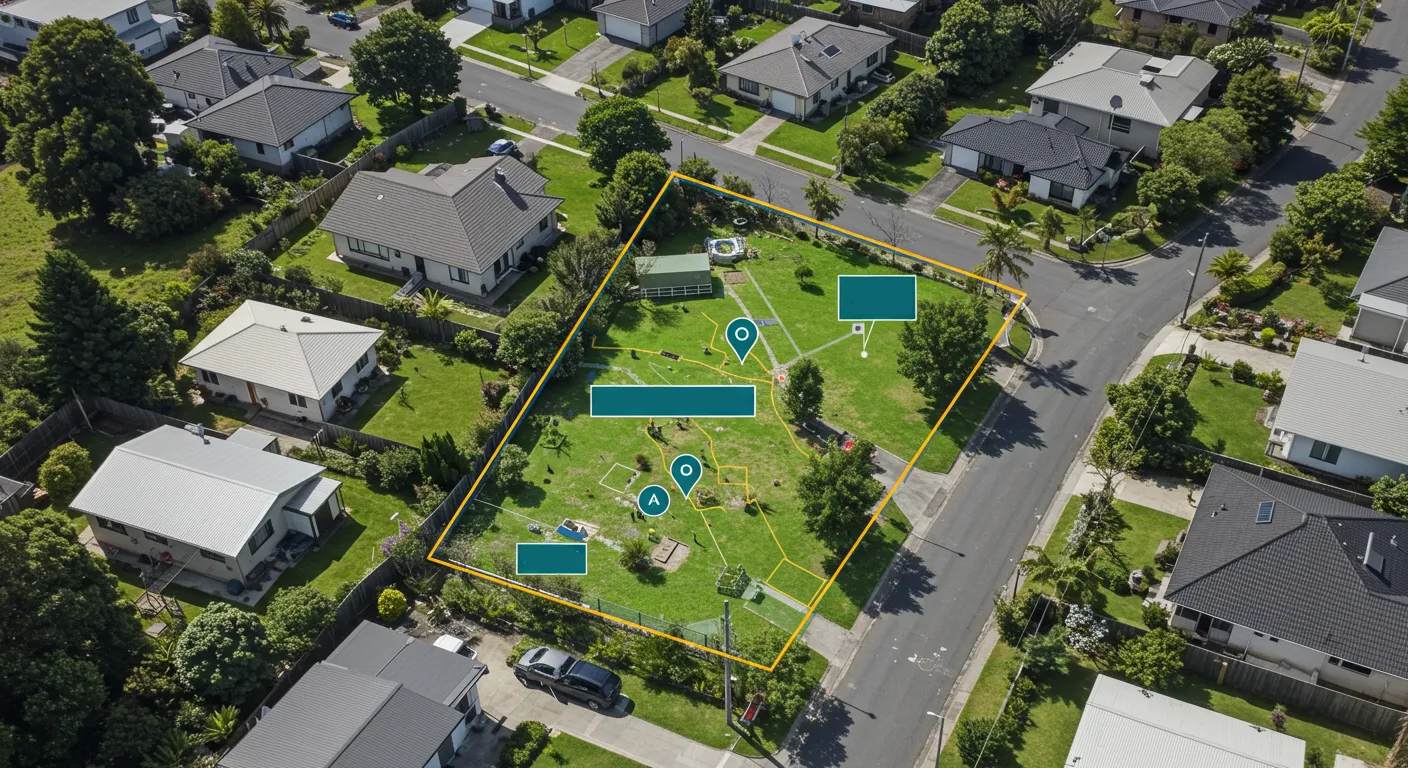
FNDC applies the Far North District Plan, which controls how land is used and divided. If your project breaks a district plan rule, you need one of these two consents.
Needed when a building or activity breaks a district plan rule. Common Far North triggers are boundary setbacks, height, building coverage, earthworks, coastal and landscape overlays, a home business or short-term rental, and a second dwelling that falls outside the 2026 granny flat rules. See our resource consent applications service.
Needed to create new lots, adjust boundaries between titles, or separate a house off a farm block. Almost every subdivision in the Far North needs one. See subdivision consent.
FNDC also issues building consents, but those fall under the Building Act and are a separate process. See resource consent vs building consent.
FNDC is partway through replacing its district plan, so the rules that apply to your site depend on whether each new rule is under appeal.
| Plan | Status |
|---|---|
| Operative District Plan (2009) | Still applies wherever the matching new rule is under appeal |
| Proposed District Plan, decisions version | Decisions released 30 June 2026. Rules that nobody appealed now apply in place of the 2009 rules |
| Proposed District Plan, appeals version | Released 21 August 2026. It shows which rules are among the 32 appeals lodged with the Environment Court |
Where a rule is under appeal, your application may need to address both the proposed rule and the old one. A project can comply with one and still need consent under the other, so we check your site against both before anything is drawn.
FNDC can return an application that is missing information, so a complete application is the fastest one.
From first look to decision, with us handling council throughout
We check your zone, overlays and hazard maps against both district plans, and flag anything that needs regional consent. A feasibility study puts it in writing.
We write the AEE and planning assessment and coordinate any specialist reports. This usually takes 2 to 6 weeks.
FNDC checks the application is complete, then has 20 working days from lodgement to decide a non-notified consent. A request for further information stops the clock.
We answer council's questions and review the draft conditions before the decision is issued. If the application is notified, we prepare you for submissions and any hearing.
The Far North has two councils that issue resource consents. Far North District Council manages land use and subdivision. Northland Regional Council manages water, discharges and the coast across all of Northland.
| FNDC (district) | NRC (regional) | |
|---|---|---|
| Full name | Far North District Council | Northland Regional Council |
| Area | Far North District only | All of Northland, including the Far North, Whangārei and Kaipara |
| Plan it applies | Far North District Plan (2009 operative and the Proposed District Plan) | Regional Plan for Northland |
| What it controls | Land use, including where buildings go and how big they are, earthworks under district rules, and subdivision | Water, discharges, river and lake beds, wetlands, the coastal marine area |
| Consent types | Land use consent, subdivision consent | Water permit, discharge permit, coastal permit, regional land use consent |
| Typical triggers | Setbacks, height, coverage, coastal and landscape overlays, new lots | Bores, water takes, wastewater, stormwater, culverts, jetties, moorings |
| How long it lasts | No expiry once given effect to, but they lapse if not used within 5 years unless the consent sets a longer period | Water, discharge and coastal permits can be granted for up to 35 years |
| Ongoing costs | Usually none once the work is done, unless conditions require monitoring | Annual charges, plus monitoring charges on some consents |
Many rural and coastal projects need both, such as a new house with a bore, or a subdivision with a culvert across a stream. The two applications can be processed at the same time, and a notified project can have a joint hearing. See NRC resource consent for the regional side.
The Planning Act 2026 and Natural Environment Act 2026 received Royal assent on 30 September 2026 and will replace the Resource Management Act. A transition period of up to four years started on 30 October 2026. During it, new resource consent applications are still processed under the amended RMA, and the current district and regional plans still apply. We track the changes so your application is assessed under the right rules.
Common questions about getting consent from Far North District Council
An FNDC resource consent is permission from Far North District Council to use or subdivide land in a way the Far North District Plan does not permit outright. FNDC issues land use consents and subdivision consents. Water, discharges, river beds and the coast are managed by Northland Regional Council instead.
FNDC has 20 working days from lodgement to decide a non-notified resource consent. The clock stops if council asks for further information. Notified applications take longer and may go to a hearing. Preparing the application usually takes 2 to 6 weeks before lodgement.
Both. FNDC released decisions on the Proposed District Plan on 30 June 2026. Provisions that nobody appealed now apply in place of the 2009 Operative District Plan. Where a provision is under appeal, an application may need to address both the proposed rule and the equivalent operative rule.
It depends on what the project does. FNDC covers land use and subdivision, such as building setbacks, height and coverage, earthworks under district rules, and new lots. Northland Regional Council covers water takes, bores, discharges such as wastewater and stormwater, work in streams and wetlands, and structures in the coastal marine area. Many rural and coastal projects need both.
Yes. When a project needs consent from both councils, the applications can be lodged and processed at the same time, and a notified project can have a joint hearing. Lodging them together avoids one consent holding up the other.
Not yet. The Planning Act 2026 and Natural Environment Act 2026 received Royal assent on 30 September 2026 and will replace the RMA. During the transition that began on 30 October 2026, new applications are still processed under the amended RMA, and existing district plans and consents continue.
Sources: FNDC Proposed District Plan, FNDC appeals version notice, Planning and Natural Environment Bills and Resource Management Act 1991. This page is general guidance, so check your own site before you build.
Free initial chat. We'll check your property against both district plans and tell you what you need.
Check My PropertyFree initial assessment — we'll check your property and give you a clear answer
