Thinking about adding a granny flat, minor dwelling, or sleepout to your property? We handle the resource consent process with FNDC — from checking whether you need consent through to approval. We know the district plan rules and what council actually requires.
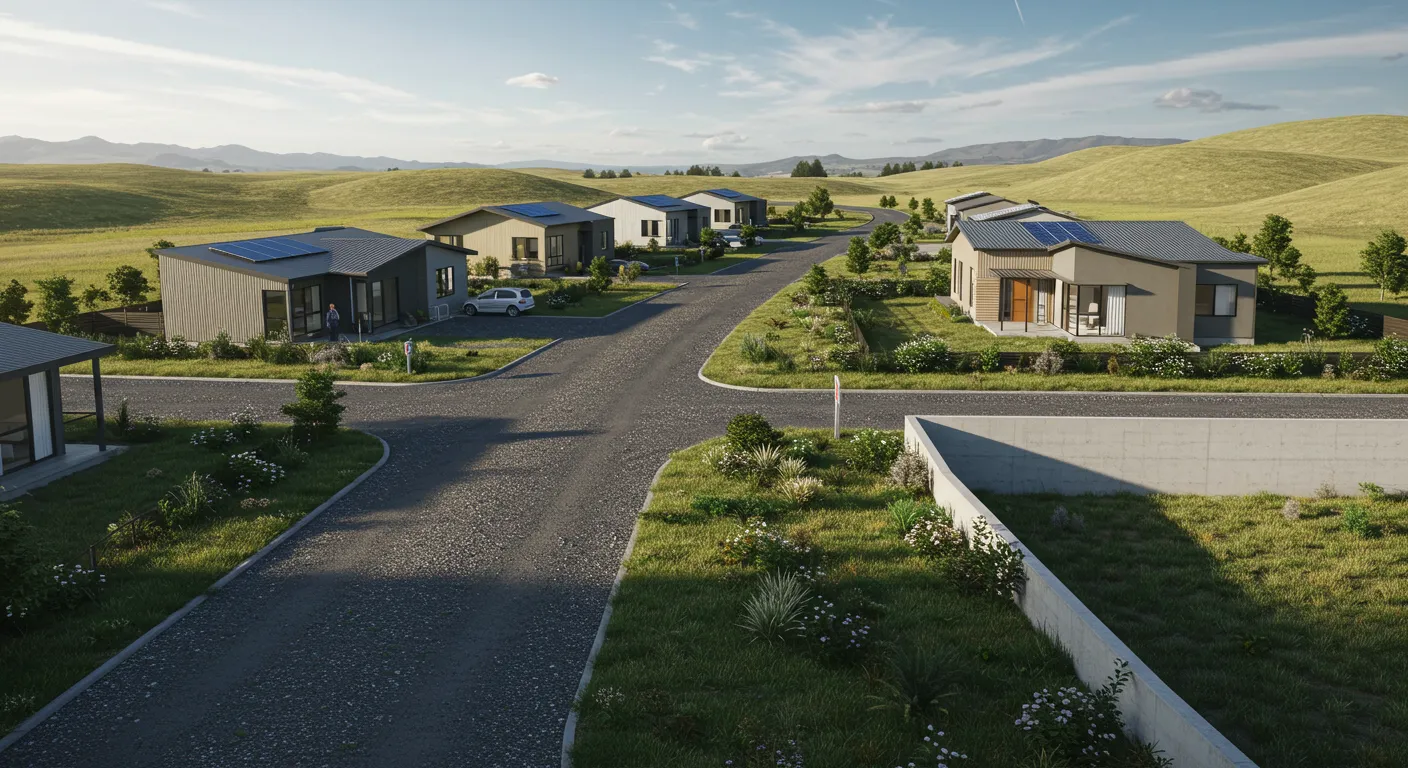
These terms get used interchangeably, but they mean different things under the district plan — and the consent requirements differ.
A self-contained secondary dwelling with its own kitchen, bathroom, and living space. Treated as a second residential unit on the property. Has specific district plan rules around size, placement, and servicing. Usually needs resource consent.
A bedroom (and possibly bathroom) that is not self-contained — no kitchen, so it's dependent on the main house. Generally treated as an accessory building with simpler rules. May not need resource consent if it meets accessory building standards.
A small self-contained dwelling, whether on wheels or a permanent foundation. If it's self-contained and intended as a dwelling, it's treated the same as a minor dwelling for consent purposes — the fact that it's small or portable doesn't exempt it.
Even if a minor dwelling is allowed in your zone, these factors often trigger the need for resource consent.
The granny flat needs to meet minimum distances from boundaries. On smaller lots, finding a location that meets all setbacks can be the biggest challenge.
Adding a building increases your property's impervious surface area (roof, paths, driveway). If you exceed the permitted limit, you need consent and a stormwater management plan.
A second dwelling means additional wastewater load. If you're on a septic system, you may need to upgrade or prove your existing system can handle the extra demand.
A second dwelling typically requires additional on-site parking. The district plan specifies how many parks you need and where they can be located.
From "can I do this?" through to consent granted
Tell us about your property and what you're planning. We'll give you an honest assessment of whether it's feasible and what consent (if any) you'll need.
We check your property against the FNDC District Plan — zone rules, lot size, setbacks, coverage limits, wastewater, and access. A feasibility study gives you certainty before you commit to design and building costs.
We prepare the full resource consent application including the Assessment of Environmental Effects. We coordinate with your designer, builder, and any specialists needed.
We manage all communication with FNDC during processing. If council requests further information, we handle it — and push back on anything unnecessary. Non-notified consents are processed in 20 working days.
Once granted, we explain the conditions and you're ready to proceed with your building consent and construction. We can also help manage the implementation of consent conditions.
We see granny flat and minor dwelling projects for all sorts of reasons. Here are the most common.
Housing elderly parents close by, providing a first home for adult children, or keeping extended family together on the same property. This is the classic "granny flat" use case.
Adding a second dwelling for rental income. With strong rental demand in the Far North, a granny flat can generate significant returns while adding value to your property.
A separate space for a home office or studio. If it's self-contained (with a kitchen), it's treated as a minor dwelling even if used primarily as a workspace.
Short-term accommodation for tourists and visitors. Popular in coastal areas like Bay of Islands, Doubtless Bay, and Karikari. Note: Airbnb use may have additional consent requirements depending on scale.
Common questions about minor dwelling consent in the Far North
In most cases, yes. Adding a self-contained secondary dwelling typically requires resource consent from FNDC. Even if your zone allows minor dwellings, effects like additional parking, wastewater, impervious surface, and site coverage can trigger consent. We check your specific situation for free.
Our fees typically range from $2,000 to $5,000 depending on complexity. Council application fees are additional, plus any specialist reports needed (stormwater, wastewater). We give you a clear quote upfront and work to minimise costs.
Yes, generally. Rural properties often have more flexibility on placement but may have additional requirements around wastewater (septic capacity) and water supply. The zone rules and lot size determine what's possible.
A granny flat (minor dwelling) is self-contained — it has its own kitchen, bathroom, and living area. A sleepout has a bedroom and possibly a bathroom but no kitchen. This distinction matters because the consent requirements are different. A sleepout is usually simpler.
Generally yes, once you have the required resource consent and building consent. Check your consent conditions, as some may restrict the use. Short-term rental (Airbnb) may have different rules than long-term tenancy depending on your zone.
If it's self-contained and intended as a dwelling, yes — regardless of whether it's on wheels or a permanent foundation. The district plan looks at the use, not the construction method. A tiny house used as a dwelling is treated the same as any other minor dwelling for consent purposes.
Free initial chat — we'll check your property and tell you exactly what's involved.
Get Started TodayFree initial assessment — we'll check your property and give you a clear answer
